
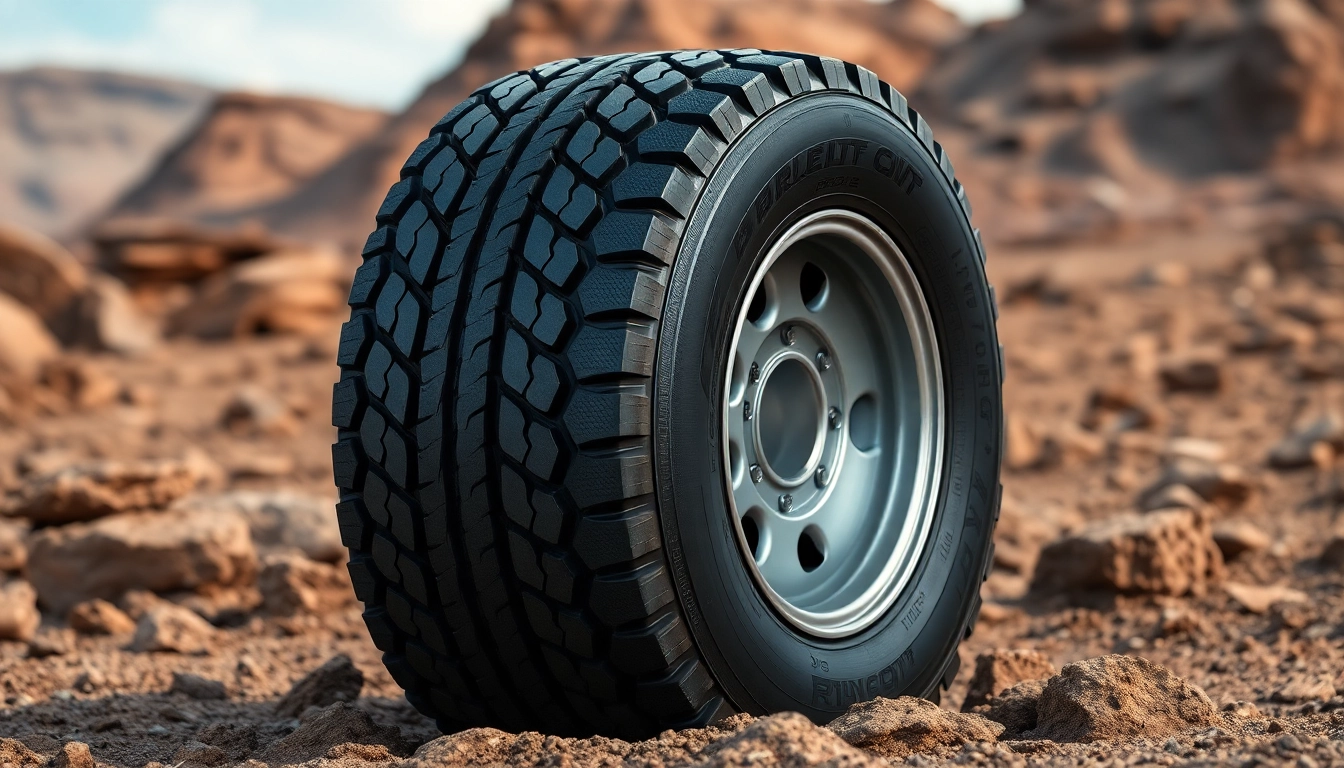
Understanding the RR99 Tire
The RR99 tire is rapidly gaining recognition in the commercial trucking industry, serving as a versatile option for businesses that require dependable performance both on and off the highway. With the growing demand for adaptable tires that can withstand the rigors of diverse terrains, the RR99 has emerged as a frontrunner. This article delves into the unique characteristics that make the RR99 stand out, its key features, applications, and valuable maintenance tips to optimize its longevity and performance. When exploring options, RR99 provides comprehensive insights into tire choices for commercial use.
What Makes RR99 Unique in the Market?
The RR99 series is specifically designed to cater to the needs of mixed service uses, accommodating a balance between highway and off-road driving. Its innovative tread pattern features large, open grooves, which enhance traction and provide excellent handling across various surfaces. This adaptability is crucial for businesses that operate in unpredictable environments, where tire performance can significantly impact productivity and safety.
Key Features and Specifications of the RR99
- Tread Design: The RR99 boasts a strong all-position tread design that ensures optimal grip and durability.
- Load Capacity: With the ability to support heavy loads, the RR99 is engineered to handle demands of up to 10,000 lbs, making it suitable for various commercial applications.
- Chip and Tear Resistance: Constructed from advanced compounds, the RR99 is resistant to cuts, chips, and tears, which enhances its lifespan in rugged conditions.
- Ply Rating: Available in multiple ply ratings, the RR99 can be tailored to meet specific operational needs, ensuring stability and performance under load.
Advantages of the RR99 Over Competitors
In a marketplace flooded with tire options, the RR99 distinguishes itself through its superior construction and performance metrics. Compared to competing tires, the RR99 offers:
- Enhanced Durability: The use of heavy-duty materials contributes to a longer service life, reducing the frequency of replacements.
- Improved Fuel Efficiency: The RR99’s design minimizes rolling resistance, contributing to better fuel economy, which is crucial for companies looking to reduce operational expenses.
- Versatile Application: Its ability to perform well in both on-highway and off-highway settings makes it a cost-effective solution for diverse operational needs.
Applications of the RR99 Tire
On-highway and Off-highway Usability
One of the standout features of the RR99 tire is its dual usability. It is engineered to perform exceptionally in a variety of conditions, making it suitable for:
- Urban and rural roadways.
- Construction sites and unpaved roads.
- Logging and agricultural applications.
This versatility is essential for fleet operators who require reliability across different terrains while maintaining efficiency and safety.
Industries That Benefit from the RR99
The RR99 tire is ideal for a range of industries, including:
- Logistics and Transportation: Essential for companies that rely on trucks to deliver goods across varied terrains.
- Construction: Frequently used in construction trucks that traverse both paved and unpaved roads.
- Agriculture: Beneficial for agricultural vehicles that work in off-road conditions.
With its robust design, the RR99 addresses the needs of industries requiring tires that can handle tough demands while ensuring performance and reliability.
Real-world Performance of the RR99 in Mixed Services
Case studies have shown that fleets utilizing the RR99 have experienced improved uptime and lower tire replacement costs. Many operators report enhanced performance on slippery surfaces due to the tire’s tread design, which provides better water evacuation and grip. This is particularly important in regions with variable weather, where reliable traction can make a significant difference in safety and productivity.
Choosing the Right Size and Specifications
How to Determine the Best Fit for Your Vehicle
Selecting the right tire size is crucial for maintaining optimal vehicle performance. The RR99 comes in various sizes and ply ratings that allow operators to find the perfect fit for their specific vehicle requirements. Consult your vehicle’s manual for recommended sizes and align this with the operational requirements of your business.
Understanding Ply Ratings and Load Capacities
Ply ratings indicate how much weight a tire can safely carry. For the RR99, understanding your load requirements helps in choosing the right ply rating, ensuring safety and performance. Tires with higher ply ratings can carry heavier loads, making them suitable for demanding applications.
Common Misconceptions About Tire Sizes
Many fleet operators mistakenly believe that all tires of the same size perform similarly. In reality, the construction materials, tread design, and intended use significantly affect performance. Therefore, it is critical to consider the RR99’s specific attributes when selecting tires for your fleet.
Maintenance Tips for Long-lasting Performance
Regular Inspections and Tire Care
To maximize the lifespan of the RR99, regular inspections are key. Operators should check for signs of uneven wear, proper inflation, and any visible damage. Addressing these issues promptly can prevent costly repairs and replacements.
Optimal Inflation Practices for the RR99
Maintaining proper tire pressure is vital for ensuring performance and safety. Under-inflated tires can lead to increased wear and fuel consumption, while over-inflated tires can result in blowouts. Fleet managers should regularly monitor tire pressure, especially before long hauls or during seasonal changes.
Signs That Indicate Need for Replacement
Recognizing when to replace tires is crucial for safety. Key indicators include:
- Visible tread wear indicators.
- Frequent loss of pressure.
- Cracking or bulging on the sidewalls.
Replacing worn tires promptly ensures safety and optimal vehicle performance.
Future Trends in All-Position Tires
Emerging Technologies in Tire Manufacturing
As technology advances, the future of tire manufacturing is becoming increasingly innovative. The integration of smart sensors into tires is one emerging trend that allows for real-time monitoring of tire conditions, enhancing safety and efficiency.
Environmental Considerations for Future Tire Designs
With a growing emphasis on sustainability, tire manufacturers are exploring eco-friendly materials and production processes. Future iterations of tires like the RR99 may incorporate recycled materials to reduce environmental impact without compromising performance.
Predictions for the Tire Industry in 2026 and Beyond
The tire industry is likely to witness significant changes by 2026, with advancements in AI and data analytics influencing tire design and performance. For more information, Tải app RR99 offers valuable insights. Consumers can expect tires that are not only more durable and efficient but also tailored to their specific operational needs, ensuring that tires like the RR99 remain at the forefront of the market.