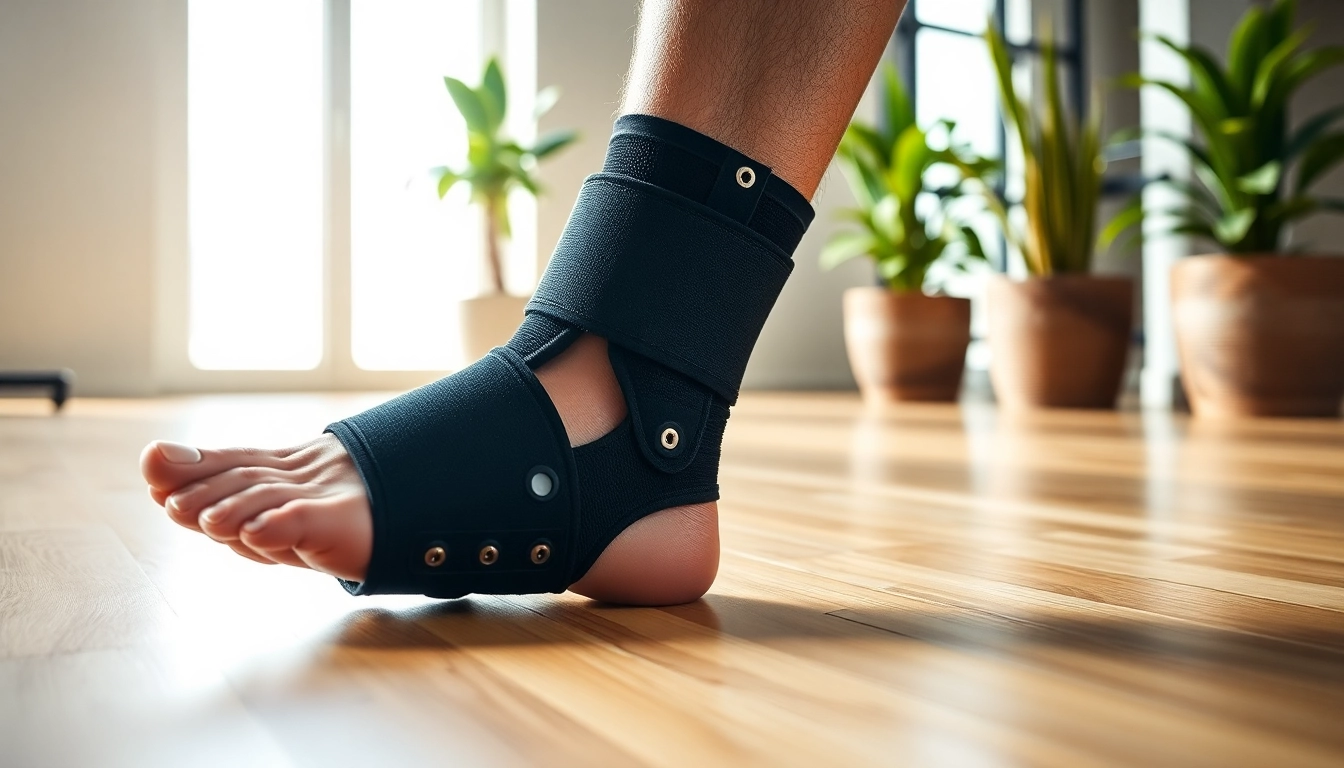
Understanding Ankle Dorsiflexion
Ankle dorsiflexion is a crucial movement necessary for various activities such as walking, running, and climbing stairs. It involves the upward movement of the foot towards the shin, allowing the heel to remain grounded while the toe lifts. This flexibility is essential not only for functional mobility but also for maintaining balance and preventing injuries.
When exploring options, an ankle brace to prevent dorsiflexion can provide comprehensive insights into products designed to address limitations in this significant range of motion. Understanding the importance of maintaining proper dorsiflexion can help individuals enhance their overall physical performance and reduce the risk of developing chronic pain or injuries.
What is Dorsiflexion and Why is it Important?
Dorsiflexion is not merely a range of motion; it plays a pivotal role in human biomechanics. This movement allows for the heel to strike first when walking or running, which is crucial for shock absorption and forward propulsion. Proper dorsiflexion also facilitates effective balance and posture, contributing to overall physical efficiency. An inability to properly achieve dorsiflexion can lead to compensatory movements that may harm other joints or muscles over time.
Common Conditions Resulting in Limited Dorsiflexion
Several conditions can lead to restricted ankle dorsiflexion, including:
- Achilles Tendonitis: Inflammation of the Achilles tendon can cause discomfort and limit range of motion.
- Plantar Fasciitis: Tightness in the plantar fascia can restrict the dorsiflexion movement, making everyday activities challenging.
- Arthritis: Joint stiffness from arthritis can significantly restrict movement in the ankle, resulting in difficulty achieving dorsiflexion.
- Previous Injuries: Past sprains or fractures can leave residual stiffness or weakness in the ankle, affecting its mobility.
How Ankle Braces Help in Dorsiflexion Recovery
Ankle braces can provide support and stability essential for individuals recovering from injuries or managing chronic conditions. They can assist in realigning the foot and ankle while reducing strain on the surrounding muscles and ligaments. Additionally, specific braces can aid in maintaining proper positioning, prompting the muscles to operate correctly during the recovery phase.
Factors That Prevent Ankle Dorsiflexion
Muscle Tension and Its Impact on Mobility
Muscle tension in the calf and surrounding areas can severely limit ankle dorsiflexion. When muscles are overworked or tight, they can restrict the movement necessary for effective dorsiflexion, hindering overall mobility. Stretching and relaxation techniques, combined with the use of an appropriately designed ankle brace, can help alleviate tightness and restore flexibility.
Joint Stiffness: Causes and Solutions
Joint stiffness is often a result of inactivity, injury, or degenerative conditions such as arthritis. Stiffness not only affects movement but can also lead to chronic pain conditions if left unaddressed. Ankle braces designed for support and stabilization can help reduce stress on the joints, allowing for smoother movement during dorsiflexion.
Proprioception: The Body's Awareness and Control
Proprioception refers to the body’s ability to sense its position and movement in space. Inadequate proprioception can lead to poor coordination and an increased risk of falls or re-injury. Many ankle braces are designed to enhance proprioceptive feedback, allowing individuals to develop better awareness of their ankle position and movement, which is integral for improving dorsiflexion.
Benefits of Using Ankle Braces
Muscle Support and Relaxation Benefits
Ankle braces, especially those incorporating compression features, enhance blood circulation in the calf and ankle areas. This improved circulation is crucial as it delivers oxygen and nutrients to the muscles, aiding in relaxation and tension reduction. Consequently, the right ankle brace can significantly alleviate tightness in the ankle and calf, promoting better overall mobility.
Enhancing Joint Stability and Mobility
Stability is paramount when it comes to the ankle, especially during rehabilitation or when managing chronic conditions. Hard outer shells of certain ankle braces provide the structural support necessary for maintaining proper joint alignment. This stabilization leads to improved movement mechanics and enhanced dorsiflexion capabilities, particularly during activities that place high demands on the ankle.
Improving Proprioception for Better Movement
As previously mentioned, enhanced proprioception is vital for effective movement control. Ankle braces can utilize straps and compression technology to provide feedback to the wearer, improving their awareness of ankle positioning. This heightened sense of proprioception can translate to better control during dorsiflexion and overall movement, reducing the likelihood of injury.
Selecting the Right Ankle Brace
Types of Ankle Braces for Dorsiflexion Support
Different types of ankle braces are available, each offering unique benefits designed to cater to specific issues relating to dorsiflexion. Some of the notable options include:
- Compression Sleeves: These provide gentle support and improve circulation.
- Rigid Braces: Designed for maximum stability, they are recommended during recovery from serious injuries.
- Stabilization Braces: Ideal for those engaging in high-impact sports, allowing for a balance between mobility and support.
Factors to Consider When Choosing a Brace
Several factors should be taken into account when selecting an ankle brace, including the specific condition being addressed, the level of activity, and personal comfort. It’s important to choose a brace that not only provides adequate support but also doesn’t restrict movement unnecessarily. Consideration of size, material, and intended use can significantly influence the effectiveness of the brace in aiding dorsiflexion recovery.
Consulting with Healthcare Professionals
Before choosing an ankle brace, it is advisable to consult with a healthcare professional or physical therapist. They can provide insights tailored to individual needs and recommend the most appropriate devices for specific conditions, ensuring optimal recovery and functionality.
Future Trends in Ankle Brace Technology
Innovative Designs and Features for 2026
The future of ankle braces is poised for innovation, with advancements in materials and smart technology integration. Expect to see lighter, more flexible designs that allow for greater comfort and compliance. Additionally, some braces may integrate sensors to monitor movement patterns and provide real-time feedback, enhancing rehabilitation strategies.
Personalization of Ankle Support Devices
As technology progresses, the personalization of ankle braces will likely become more common. Custom-fit options using 3D scanning and printing may provide users with the ultimate support tailored to their anatomical needs, allowing for improved mobility and reduced pain.
Evidence-Based Approaches to Ankle Rehabilitation
Evidence-based practices are evolving in the field of rehabilitation for ankle injuries. Future strategies will likely incorporate ankle braces as part of a comprehensive rehabilitation plan, integrating physical therapy and targeted exercises for maximum recovery effectiveness. Adopting these methods can facilitate a quicker return to full functionality and reduce the risk of subsequent injuries.