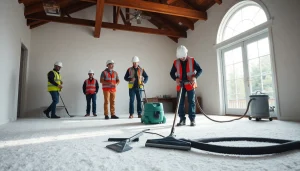

Understanding Whole House Repiping Services St Petersburg FL
What is Whole House Repiping?
Whole house repiping is the process of replacing the entire plumbing system within a home. This essential service typically becomes necessary when the existing pipes, whether due to age, corrosion, or plumbing mismanagement, can no longer reliably transport water. Repiping can involve several types of piping materials, which may be selected based on durability, cost, and the specific needs of the homeowner. Finding the right experts for whole house repiping services St Petersburg FL should be a priority for any homeowner facing persistent plumbing issues.
Signs You Need Repiping Services
There are several indicators that your home might require repiping services:
- Frequent Leaks: If you notice repeated leaks throughout your home, it might signal that the plumbing system is failing.
- Low Water Pressure: Diminished water pressure could suggest that your pipes are partially blocked or corroded.
- Discolored or Bad-Tasting Water: Rusty or brown water often indicates corrosion inside the pipes.
- Mold or Mildew: Unexplained mold growth near plumbing fixtures can result from hidden leaks.
- Age of Plumbing: Homes built before the 1970s often used materials like polybutylene which have compatibility issues and can degrade over time.
Benefits of Whole House Repiping
Investing in whole house repiping comes with numerous benefits:
- Increased Home Value: New plumbing can significantly enhance your property’s value and make it more appealing to buyers.
- Improved Water Quality: Fresh pipes eliminate the risk of drinking toxic contaminants and provide clean, safe water.
- Enhanced Water Pressure: Replacing old pipes can result in better water flow throughout the home.
- Reduction in Repairs: With brand new plumbing, the likelihood of needing frequent repairs is greatly minimized.
- Energy Efficiency: New piping materials can contribute to overall home energy efficiency, saving on utility bills.
Choosing the Right Materials for Repiping
Types of Pipes Available
When considering repiping, homeowners have access to various materials, including:
- Copper: Known for its durability and resistance to corrosion, copper pipes are a traditional choice but can be pricier.
- PEX (Cross-Linked Polyethylene): This flexible plastic piping is increasingly popular due to its resistance to scale and chlorine, lower shipping costs, and ease of installation.
- CPVC (Chlorinated Polyvinyl Chloride): Similar to PEX but is rigid and can be used in hot and cold water systems.
- Galvanized Steel: Once common, these are now rarely used due to corrosion concerns and reduced water flow over time.
Comparing Copper vs. PEX
Both copper and PEX pipes have distinct advantages and disadvantages:
- Copper: Although more expensive, copper is highly durable and can last for decades. However, it is also vulnerable to corrosion in certain water conditions and is less flexible, making installations more labor-intensive.
- PEX: With its flexibility and lower costs, PEX can be installed more easily, bending around corners without needing fittings. However, it is sensitive to UV light, which can degrade its integrity.
Cost Implications of Material Choices
The cost of repiping influences a homeowner’s choice of material:
- Copper pipes come with a higher upfront cost, typically between $8 to $15 per linear foot.
- PEX is generally more affordable, costing between $0.50 to $2 per linear foot.
- While initial costs vary, homeowners should also consider long-term durability and maintenance when selecting materials.
The Repiping Process Explained
Initial Inspection and Assessment
The first step in the repiping process is a thorough inspection of the existing plumbing by a qualified contractor. This assessment will determine:
- The extent of damage to existing pipes.
- Identifying the type of material currently in use and its potential replacements.
- Mapping the layout of the plumbing system for a comprehensive plan.
Steps in the Repiping Process
After assessment, the repiping procedure involves several steps:
- Preparation: Homeowners are informed about the process, and areas around existing pipes are cleared.
- Shutting Off Water Supply: Water supply will be turned off to prevent any mess during installation.
- Removing Old Pipes: The existing, damaged pipes are carefully taken out.
- Installing New Pipes: New materials are installed according to the layout specified during the assessment.
- Testing the System: After installation, the system is pressurized to check for leaks and ensure everything is functioning as expected.
- Restoration: Once testing is complete, any walls, ceilings, or floors affected will be restored to their original state.
Aftercare and Maintenance Tips
Post-repiping maintenance is crucial for sustaining the longevity of your plumbing system. Consider the following tips:
- Regular Inspections: Schedule periodic plumbing inspections to catch potential issues early.
- Watch for Leaks: Remain vigilant for any signs of leaks or water damage.
- Ensure Proper Drainage: Keep drains clear to avoid blockages.
- Know Your Plumbing System: Familiarize yourself with the layout of your home’s plumbing to aid in troubleshooting.
Finding Reputable Whole House Repiping Services St Petersburg FL
Qualities to Look For in a Contractor
When searching for a reliable plumbing contractor for repiping, consider the following qualities:
- Experience: Look for contractors who specialize in repiping with a proven track record.
- Licensing and Insurance: Ensure the contractor holds the proper licenses and insurance for their work.
- Clear Communication: A good contractor communicates effectively throughout the process.
- Warranty and Guarantees: Consider contractors who offer warranties on their work.
Questions to Ask Before Hiring
Before hiring a contractor, ask pertinent questions such as:
- What type of pipes do you recommend and why?
- How long will the entire repiping process take?
- Can you provide references from recent clients?
- What safety measures do you take during the installation?
- How do you handle potential issues that arise during the process?
Reading Reviews and Testimonials
Researching reviews and testimonials can provide insight into a contractor’s reputation:
- Check online platforms and review sites for customer feedback.
- Ask friends and family for recommendations based on their experiences.
- Look for patterns in reviews—positive or negative—that may affect your decision.
FAQs About Whole House Repiping
How long does a repiping project take?
A typical whole house repiping can take from one to several days, depending on house size and complexity.
Will my water pressure improve after repiping?
Yes, new pipes can significantly enhance water pressure, especially if replacing old, corroded lines.
How much does whole house repiping cost?
The cost varies based on your home’s size, the material chosen, and labor, averaging between $5,000 to $15,000.
Is repiping covered by homeowners insurance?
Some policies cover repiping if it’s due to sudden, accidental damage. Check with your insurer for details.
What should I do during the repiping process?
Clear areas around pipes and plan for temporary water shutdowns. The contractor will inform you about disruptions.