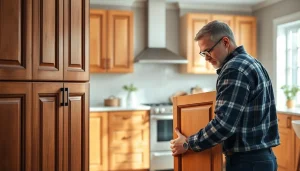

Understanding Colonial Home Renovation
The appeal of colonial homes lies in their rich history, classic architectural elements, and traditional aesthetics. However, as time goes on, these structures may require a little care to preserve their charm and functionality. Colonial home renovation is a vital process that not only breathes new life into these historical treasures but also meets modern living standards. Here, we will explore the various aspects of renovating colonial homes, including their unique features, benefits of renovation, potential challenges, and best practices.
Key Features of Colonial Homes
Colonial homes are widely recognized by their symmetrical facades, gabled roofs, and classical detailing. Some of the most prominent features include:
- Symmetry: Most colonial homes present a balanced and symmetrical appearance, with evenly spaced windows and a centrally located entrance.
- Geometric Shapes: Architectural elements often involve rectangular forms, with a classic boxy shape that defines the structure.
- Classic Materials: Many colonial homes are constructed using materials like brick, wood, and stone, emphasizing durability and aesthetic appeal.
- Porches: These homes often feature front porches, which provide outdoor living space while enhancing the visual appeal.
- Windows: Typically, colonial homes have multi-pane windows that contribute to the historical look.
Benefits of Colonial Home Renovation
Renovating a colonial home comes with numerous advantages:
- Increased Property Value: Well-executed renovations can lead to significant increases in property value, making it a worthwhile investment.
- Modern Comforts: By updating plumbing, electrical systems, and HVAC, homeowners can enjoy modern amenities while maintaining historical integrity.
- Energy Efficiency: Renovations can reveal opportunities to improve energy efficiency, from better insulation to more efficient windows and appliances.
- Preserving History: Renovation often focuses on restoring the original features, thus preserving the home’s historical significance.
- Personalized Space: Homeowners have the chance to infuse their personal style while maintaining the character of the building.
Common Challenges in Renovation
While the benefits of renovating a colonial home are significant, some challenges may arise:
- Structural Issues: Older homes may have hidden structural problems that need to be addressed before renovations can take place.
- Compliance with Codes: Meeting modern building codes can be complicated, particularly with historic preservation restrictions.
- Budget Overruns: Renovations can exceed estimates due to unexpected discoveries or changes in design plans.
- Finding Skilled Craftspeople: It can be challenging to locate contractors skilled in preserving historical elements.
- Design Consistency: Balancing modern needs with historical authenticity requires careful thought and planning.
Planning Your Colonial Home Renovation
Setting a Renovation Budget
Determining a realistic budget is vital before beginning a renovation project. Here’s how to approach budgeting:
- Assess Current Condition: Conduct a comprehensive assessment of the home to identify necessary repairs and renovations.
- Prioritize Needs vs. Wants: Differentiate between essential renovations and those that are desirable but not critical.
- Include Contingency Funds: Always add 10-20% in contingency for unpredictable expenses.
- Research Costs: Investigate costs associated with different materials and labor to create an informed budget.
Hiring the Right Contractors
The success of a renovation project often hinges on the contractors you choose. Here are important steps to ensure you hire the best:
- Seek Recommendations: Ask friends, family, or real estate professionals for contractor recommendations.
- Check Credentials: Verify licenses, insurances, and prior work, particularly experience with colonial homes.
- Interview Multiple Contractors: Meet with at least three contractors to compare estimates and communication styles.
- Read Reviews: Look for reviews online or ask for references to assess their reliability and quality of work.
Choosing Design Elements and Materials
The right design choices can drastically enhance the functionality and beauty of a colonial home. Consider these tips:
- Keep Historical Styles: Stick to traditional design elements like crown moldings, hardwood floors, and period-appropriate fixtures.
- Use Quality Materials: Invest in durable, high-quality materials that reflect the home’s original character instead of cheap alternatives.
- Incorporate Modern Trends Carefully: While adding modern elements, be sure they harmonize with the overall historical aesthetic of the home.
- Consult Design Professionals: Consider hiring an interior designer with experience in historical renovations.
Architectural Styles in Colonial Home Renovation
Georgian Style Renovations
The Georgian style, characterized by its grand symmetrical architecture and classical detailing, often involves extensive detailing. Common improvements might include:
- Restoring Facades: Ensure the façade reflects the classical architecture with appropriate materials and finishes.
- Window Preservation: Focus on restoring multi-pane windows while introducing modern solutions for energy efficiency.
- Landscaping: Create formal gardens that complement the geometric design of Georgian houses.
Federal Style Enhancements
Federal-style homes, known for their decorative elements and elongated windows, may benefit from styles adaptations such as:
- Enhanced Entryways: Consider upgrading doors with decorative moldings and fanlights for an elegant touch.
- Interior Detailing: Incorporate pilasters and elaborate mantels to enrich the interior aesthetics.
- Balancing Categories: When applying modern updates, balance them with the classical elements prevalent in Federal architecture.
Dutch Colonial Inspirations
Dutch Colonial homes are characterized by their gambrel roofs and overhanging eaves. Renovation strategies might include:
- Roof Repairs: Renovation can focus on restoring the roof while maintaining its unique gambrel shape.
- Enhancing Eaves: Reinforce the overhanging eaves with proper drainage and stylish finishes.
- Integrate Modern Layouts: Reconfigure interiors to create open spaces, ensuring it’s in line with the overall character of the home.
Best Practices for Colonial Home Renovation
Preserving Historical Integrity
Maintaining the historical integrity of a colonial home is paramount. Here are some effective strategies:
- Consult Preservation Experts: Seek advice from professionals who specialize in historical renovations.
- Avoid Unnecessary Changes: Limit modifications that significantly change the home’s original layout and features.
- Use Authentic Materials: Whenever possible, use materials that closely match the originals for repairs and replacements.
Incorporating Modern Amenities
With the advances in technology, many homeowners wish to incorporate modern amenities without compromising the historical charm:
- Smart Home Technology: Consider integrating smart systems like HVAC and security without visible equipment in the historic spaces.
- Energy-efficient Solutions: Update windows and insulation to improve comfort while respecting the appearance of the home.
- Kitchen and Bathroom Renovations: Focus on combining modern layouts and features with traditional styles to create functional spaces.
Enhancing Curb Appeal
The first impression of your colonial home can be significantly improved through curb appeal enhancements:
- Fresh Paint: A well-chosen color palette can restore vibrancy while respecting historical styles.
- Lush Landscaping: Incorporate native plants for gardens that complement the architectural features of the structure.
- Strategic Lighting: Use outdoor lighting to accentuate architectural details, enhancing the home’s visibility at night.
Measuring Success in Colonial Home Renovation
Home Value After Renovation
Post-renovation, the increase in home value can be significant if the project was executed with care. Assess this by:
- Comparative Market Analysis: Compare your home to similar, recently sold homes in your area.
- Appraisal Services: Hire a professional appraiser to gauge the new market value post-renovation.
Feedback from Residents
Understanding the satisfaction of residents living in the home post-renovation can indicate success. Gather feedback through:
- Surveys: Provide residents with surveys to gauge their satisfaction regarding the changes.
- Informal Discussions: Engage residents in conversations regarding their daily experiences in the newly renovated spaces.
Long-Term Maintenance Considerations
Renovation isn’t the end; maintenance is crucial for the longevity of a colonial home. Consider the following:
- Regular Inspections: Schedule periodic inspections to assess the condition of the roof, foundations, and structural elements.
- Seasonal Maintenance: Implement seasonal tasks such as gutter cleaning and exterior painting to protect against wear.
- Documentation: Keep thorough records of any work done to assist with future renovations or repairs.
Frequently Asked Questions
What is the best time for a colonial home renovation?
The best time for renovation typically depends on climate, but spring and fall often offer ideal conditions due to moderate temperatures.
Do I need a permit for a colonial home renovation?
Most renovations require permits. It is essential to check your local zoning regulations and building codes before beginning work.
How can I maintain the historical integrity of my home?
Preserve the historical integrity by retaining original features, utilizing period-appropriate materials, and consulting with preservation experts.
Can I modernize my colonial home while respecting its history?
Yes, modernizing is possible. Focus on integrating modern conveniences subtly to enhance functionality without compromising historical elements.
What is the average cost of a colonial home renovation?
The average cost varies widely based on scope and location, but expect to budget between $100 to $300 per square foot for quality renovations.