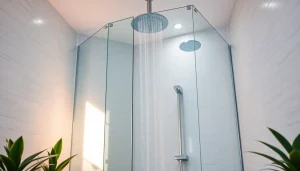

What to Expect from a Bathroom Fitter Manchester
Initial Consultation and Design Planning
When embarking on a bathroom renovation, the first step with a bathroom fitter manchester is a thorough initial consultation. This meeting is crucial as it allows both the homeowner and the fitter to discuss the vision, requirements, and budget. During this consultation, the fitter will assess the space, discuss design preferences, and explore functional needs. They often bring along design samples and ideas, guiding the homeowner through options that align with the latest trends and personal tastes.
Installation Process: Step-by-Step
Once the design is finalized, the installation process kicks off. This phase typically begins with the removal of existing fixtures, followed by work on essential plumbing and electrical installations. A professional bathroom fitter will ensure the following steps are meticulously executed:
- Demolition: Safely removing old fixtures, tiles, and fittings.
- Plumbing and Electrical Rough-In: Updating or relocating pipes and wiring as necessary.
- Framework Adjustment: Making changes to walls or structures if needed.
- Fixture Installation: Installing toilets, sinks, and other major fixtures.
- Finishing Touches: Adding tiles and finishing elements that contribute to the bathroom’s aesthetic.
A smooth installation hinges on proper communication and management, ensuring timelines are adhered to while minimizing disruption.
Final Touches and Customer Satisfaction
After installation, the focus shifts to the final touches. This includes grouting tiles, installing mirrors, and fitting light fixtures. A reputable bathroom fitter in Manchester prioritizes customer satisfaction throughout this phase, seeking feedback and making necessary adjustments. Once completed, a walkthrough is conducted, ensuring every detail meets the homeowner’s expectations before officially signing off on the project.
Choosing the Right Fixtures for Your Bathroom
Popular Styles and Trends
The choice of fixtures plays a significant role in defining the overall style of the bathroom. Current trends often feature minimalist designs, eco-friendly fixtures, and smart technology integration. Popular styles include:
- Modern: Sleek lines and neutral colors.
- Traditional: Classic aesthetics with vintage fittings.
- Rustic: Natural materials and a homely feel.
- Industrial: Raw elements combined with polished features.
Advantages of Quality Materials
Opting for high-quality materials is essential in any bathroom renovation. Quality fixtures not only enhance the aesthetic appeal but also improve durability and functionality. Here are a few reasons why investing in quality matters:
- Longevity: High-end materials last longer and resist wear and tear.
- Less Maintenance: Quality fixtures require less frequent repairs or replacements.
- Improved Efficiency: Many premium options promote water savings and energy efficiency.
How Fixtures Impact Functionality
The functionality of a bathroom relies heavily on the fixtures chosen. For instance, an improperly sized sink can lead to space constraints, and poorly positioned lighting can result in inadequate visibility. The right fixtures, strategically chosen, can enhance both form and function:
- Adaptive Sizing: Ensuring all fixtures fit the space ergonomically.
- Smart Technology: Integrating programmable showers and energy-efficient lighting.
- Storage Solutions: Selecting fixtures that provide storage without sacrificing style.
Understanding Costs for Bathroom Fitter Manchester Services
Cost Breakdown: Materials vs. Labor
Understanding the financial aspects of bathroom fitting is crucial. Costs can generally be broken down into materials and labor. While labor costs fluctuate based on experience and project complexity, material costs depend heavily on the selected fixtures, tiles, and finishes. Here’s a typical breakdown:
- Materials: Usually account for 40-60% of the total budget.
- Labor: Covers the technical skills and installation work, ranging from 40-60% as well.
Budgeting for Your Bathroom Project
Effective budgeting is critical for avoiding unpleasant surprises. A comprehensive budget should encompass all projected costs, including potential extras. Here are some tips:
- Establish a Realistic Budget: Base estimates on previous projects.
- Include Contingency Funds: Setting aside 10-15% of the total budget for unexpected expenses.
- Prioritize Needs vs. Wants: Focus on essentials to manage costs effectively.
How to Get Accurate Quotes
Obtaining accurate quotes from bathroom fitters involves several key steps. Start by providing the fitter with specific details about your desired renovation, including styles and materials. Setting up multiple consultations allows homeowners to compare estimates effectively. Ensure each quote lists labor, materials, and any additional fees to avoid confusion later.
Common Challenges During Bathroom Renovations
Dealing with Unexpected Issues
Even with careful planning, renovations can encounter unforeseen problems, such as hidden plumbing issues or outdated electrical work. Addressing these challenges promptly is essential; however, having a flexible budget and timeline can mitigate stress. Always communicate with your fitter to explore the best solutions.
Time Management and Scheduling
Effective time management is crucial in ensuring a smooth renovation process. Homeowners should discuss timelines with their fitter, allowing for realistic scheduling that accommodates potential delays. Utilizing project management tools or checklists can help keep the renovation on track.
Troubleshooting Design Flaws
Design flaws often become apparent only during the installation phase. Close collaboration with your bathroom fitter is vital to redesigning problematic areas without significant costs. Solutions may include adjusting fixture placements or redeveloping layouts entirely, ensuring the final product meets both aesthetics and functionality.
Aftercare and Maintenance Tips
Keeping Your Bathroom in Top Condition
The longevity of a newly renovated bathroom hinges on consistent maintenance. Simple practices, such as regular cleaning and inspections of fixtures, help prolong the lifespan of materials. Ensure proper ventilation to prevent mold growth and regular checks on plumbing for leaks.
Periodic Check-ups and Repairs
Scheduling periodic check-ups with a professional can ensure that any potential issues are caught early. Regular maintenance checks on plumbing connections, caulking, and tiles can identify risks before they escalate into major repairs.
How to Extend the Life of Your Renovation
To extend the life of your bathroom renovation, consider implementing the following strategies:
- Use Mild Cleaning Solutions: Harsh chemicals can damage fixtures and finishes.
- Repair Small Issues Early: Fix scratches, chips, or leaks before they worsen.
- Invest in Quality Products: High-grade materials generally last longer.
Frequently Asked Questions
What is the average timeline for a bathroom renovation?
The average bathroom renovation can take anywhere from 2 to 4 weeks, depending on the scope of work involved.
Should I hire a professional or attempt a DIY renovation?
For complex tasks like plumbing and electrical work, hiring a professional is safer and often more cost-effective in the long run.
How can I make the most of a small bathroom space?
Using wall-mounted fixtures, mirrors, and light colors can visually expand a small bathroom, maximizing available space.
What should I look for in a bathroom fitter?
Consider their experience, past projects, licensing, and customer reviews to ensure you hire a skilled and reliable bathroom fitter.
Are there eco-friendly options for bathroom renovations?
Yes, many fixtures and materials are now available that promote water conservation and use sustainable resources, contributing to a greener home.